






Super Bowl Advertising: A Month-Long, Multi-Screen Event for Brands
PUBLISH DATE: 30 January 2023
For Americans, there are two events that they hyped for a whole year – Football season, and waiting for football season. Football remains highly popular among Americans, with searches for “NFL Draft” and viewership numbers showing an unwavering interest in the sport. According to Google Search data, football is more popular than any other sports league in the US. Despite the challenges faced by the sport this year, the NFL’s popularity continues to rise, with Nielsen data showing a steady increase in viewership over the past decade, outperforming the top 10 network shows.
The upcoming Super Bowl in February is expected to attract a large audience, making it an attractive opportunity for brands to invest in marketing. Historically, brands have focused on airing expensive commercials during the game, but as consumer behaviors change, the window of opportunity for brands has expanded. As a result, more brands are taking advantage of this opportunity to reach a larger audience.
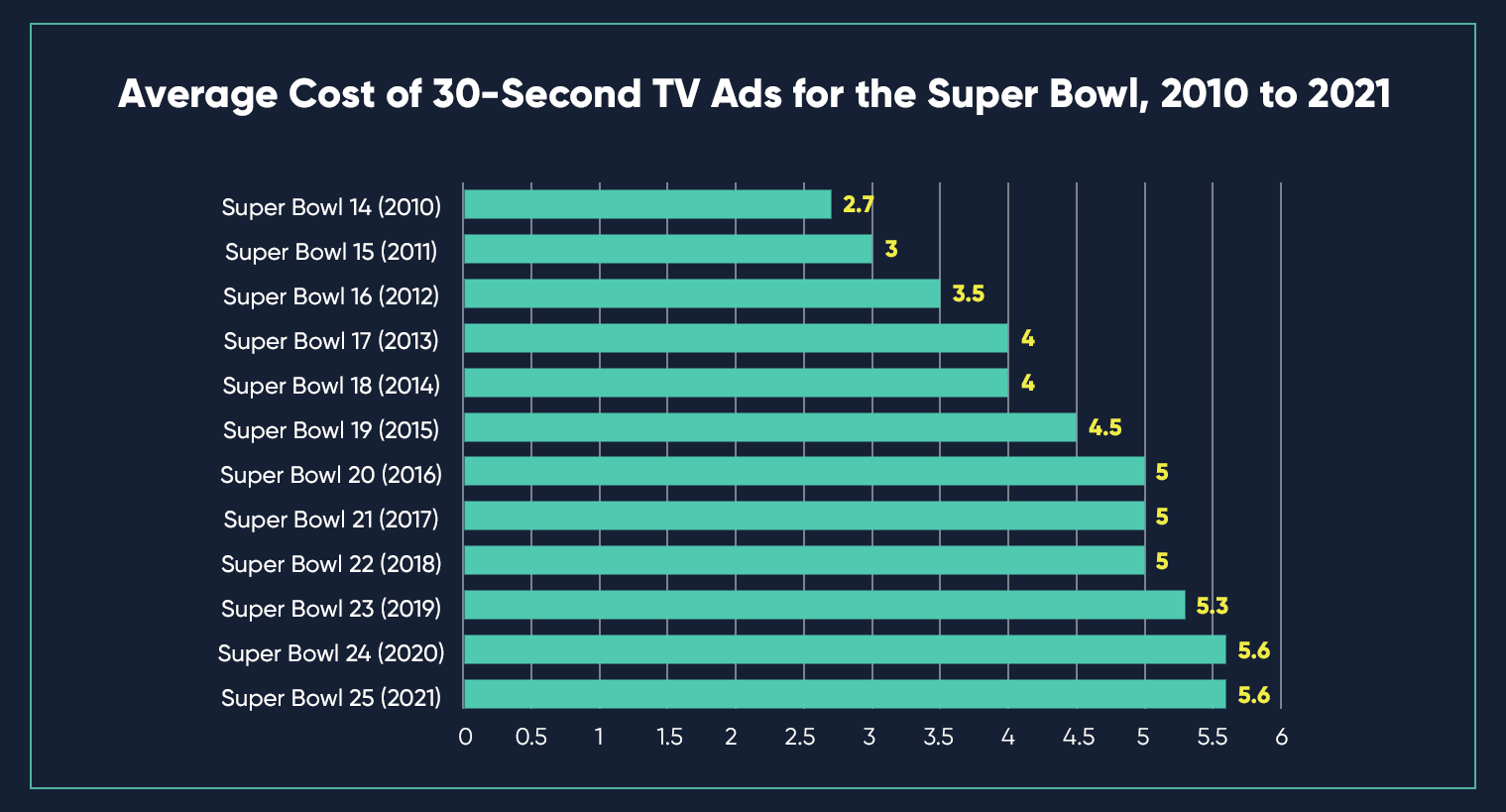
Super Bowl Ad Cost History
The Academy Awards show is the only event that comes close to having the largest TV audience in the US, but the NFL’s Super Bowl remains the largest TV spectacle, both in sports and the country. Despite some decline in certain areas, the Super Bowl is still considered the ultimate advertising platform by brands and attracts many companies to showcase their products and services.
Reaching the Right Audience has Never Been Easier
As the Big Game approaches and signals the end of the NFL season, advertisers are eager to take advantage of one of the year’s largest TV events, attracting over 100 million viewers annually. Despite a decline in overall viewership last year, the game broke the record with 1 billion total streaming minutes, signaling a shift in the way people watch the event. The entire week presents a major opportunity for advertisers to reach a vast audience across all devices, balancing the reach of linear TV with the convenience of streaming.
Focus on the Task Ahead
Advertisers should take advantage of the fact that viewers don’t just watch the game, but spend the whole weekend consuming related content and updates. This includes the pre-game show, city festivities in Los Angeles, team interviews during media week, and more, providing multiple touchpoints for advertisers. With the extended amount of time, advertisers can reach their target market through various streaming channels, including phones and other devices, expanding beyond just TV viewership.
Achieve More with Less
Advertising during the Big Game is costly, with NBC reported to charge up to $6.5 million for a 30-second spot. However, businesses can still reach their target audience at a lower cost through CTV advertising. CTV ads can be targeted based on online behavior, allowing them to reach the intended audience even if they’re not watching the game.
Targeting Relevant Audiences with Geo-Fencing During the Big Game
Advertising during the Big Game offers a unique opportunity to target relevant audiences through geo-fencing. Advertisers can reach users who have taken action to be at locations such as the stadium, team hotels, host city, and other events related to the game. These audiences are highly engaged, and advertisers can retarget them during and after the game, even across all devices in their household. With granular reporting and attribution, brands can track online and offline conversions and see the impact of each individual geofence from the Big Game weekend.
CTV campaigns offer a chance for advertisers to reach relevant audiences with high-impact ad campaigns. During the big week, many advertisers struggle to stand out, but those using a programmatic platform are better equipped for success. The number of people streaming the game is rising, and fans will be using multiple devices, providing advertisers with opportunities to reach their desired audiences. Real-time reporting also provides insights into campaign performance, allowing advertisers to quickly adjust and allocate budgets to higher-performing channels and markets. Every advertiser has a chance to participate in TV’s biggest event.
Advertising in the Age of Climate Change: The Adoption of Carbon Emission Metrics
PUBLISH DATE: 16 January 2023
The urgency of the climate crisis is increasing, and the media industry is no exception. While some professionals are working to reduce their direct operational emissions, there is an urgent need for common standards to be set for indirect emissions that come from digital advertising.
The digital advertising industry is becoming increasingly aware of the significant carbon footprint associated with the delivery of billions of digital ad impressions daily. Although a few brands, agencies, and ad tech companies have pledged to reach net zero carbon emissions by 2030 or sooner, the question remains: What is needed to encourage the majority of the industry to adopt similar goals?
Carbon Footprints Laid by Digital Ads
Although it is often thought of as more environmentally friendly, digital advertising still has a significant impact on the environment. In fact, it is responsible for about 2-4% of global carbon emissions, which is comparable to the aviation industry.
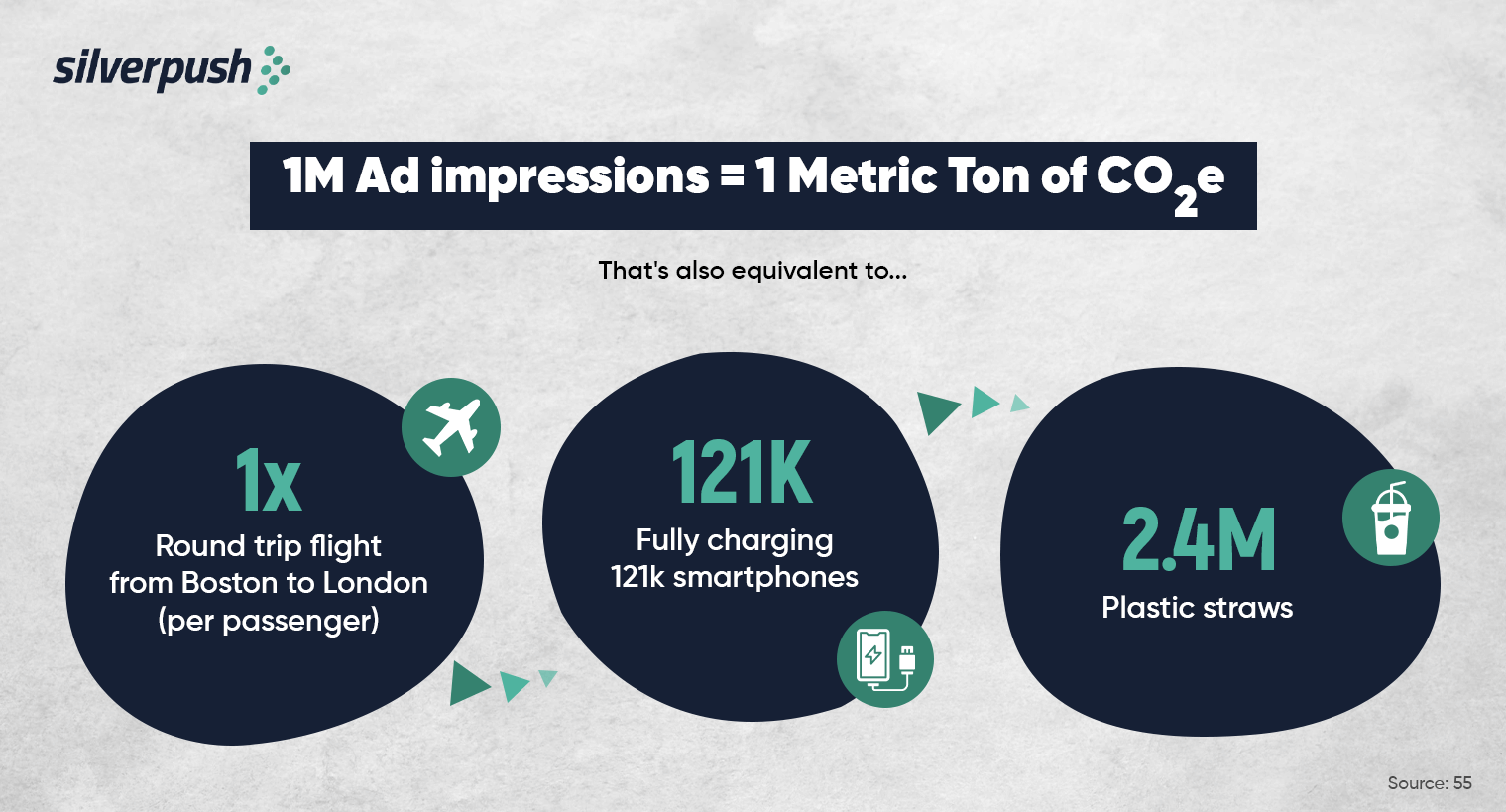
To give context, it is essential to note that serving one million ad impressions generates one metric ton of carbon dioxide emissions, which is equivalent to the emissions produced by (Source: venturebeat.com).
1. One passenger on a round-trip flight between Boston to London.
2. Charging over 121,000 smartphones to full battery power.
3. The carbon in 2.4 million plastic straws.
 The operation of servers for digital advertising and the internet results in adverse environmental effects such as heat, noise, and pollution throughout the entire programmatic supply chain. This accumulative impact raises concerns for advertisers.
Tracking Carbon Emissions through Digital Ads

The digital advertising industry has been making progress in reducing its carbon emissions, following the Paris Agreement in 2016 which was signed by 200 countries with the goal of achieving net zero carbon emissions. In 2020, the UK Advertising Association launched Ad Net Zero, recognizing the industry’s need to become more sustainable. Many companies such as WPP, Havas, Dentsu, Disney, Unilever, and Dell have committed to reaching net zero emissions by 2030 or later.
Achieving aggressive carbon-reducing goals in the ad tech industry requires setting standards for measuring and reporting carbon emissions. Measuring carbon emissions allows an organization to determine its current level of CO2 waste and identify the primary sources of emissions. Similar to how companies report their financial performance, reporting on carbon emissions allows advertisers and brands to be transparent and accountable in their efforts to reach net zero carbon emissions.
Setting Industry Standards to Calculate Carbon Emissions
Measuring carbon emissions can be complex, but understanding the different components that contribute to a company’s carbon footprint can simplify the process. These components are typically broken down into three categories: Scope 1, Scope 2, and Scope 3 emissions.
Scope 1 emissions are direct emissions from sources that the company owns or controls, such as fuel combustion in boilers or vehicles. Scope 2 emissions are indirect emissions from the generation of purchased electricity, heat, or steam. Scope 3 emissions are other indirect emissions that occur in the value chain of the company, such as the emissions from the extraction of raw materials or the disposal of waste. which typically make up more than 90% of a company’s total carbon emissions.
For advertisers to accurately measure their carbon emissions, it is important to understand the contributions of their DSPs, SSPs, DMPs, publisher partners, and other vendors to their Scope 3 emissions. By assessing the impact of these vendors, advertisers can gain a more comprehensive understanding of their overall carbon footprint.
How do Silverpush’s Cookieless Solutions Neutralize Carbon Emissions?
One of the many reasons for high carbon emissions in digital advertising is audience targeting. Standard targeting methods may deliver high impressions, however, they generate wasted impressions due to the random placement of ads and the targeting of the wrong audience.
Silverpush offers precise and detailed targeting options that identify the most qualified audiences, which needlessly reduces pointless impressions and drastically reduces carbon impressions. By delivering relevant ads through contextual targeting, advertising campaigns become more efficient and fewer ads are displayed to users. This results in a reduction in energy consumption of servers and devices used to deliver ads, ultimately reducing CO2eqPM emissions.
Conclusion
Advertisers can reduce their environmental impact by implementing sustainable practices such as using renewable energy, measuring and reporting their carbon emissions, and offsetting their emissions through carbon credits or other means. They can also consider using more efficient technologies, such as programmatic advertising, that target specific audiences and reduce the number of ads delivered, ultimately reducing energy consumption.
Whether or not the ad tech industry will become carbon neutral by 2025 is uncertain and it would depend on the level of commitment from the industry players and the government to take the necessary steps to reduce carbon emissions. It would also require a concerted effort from all stakeholders, including advertisers, agencies, and technology providers, to adopt sustainable practices and invest in new technologies to lower their carbon footprint.
What do you think? Will Ad Industry become carbon neutral by 2025? Let us know your thoughts!
Ignoring CTV Advertising in 2023 is Not an Option: Here are the Top 5 Reasons Why
PUBLISH DATE: 10 January 2023
Learn the top 5 reasons why connected TV advertising should be a part of your omnichannel marketing mix in 2023.
Introduction
Over one-third of American households now rely on streaming for their television entertainment. How can marketers stay caught up when the majority of the audience is cutting cords?
According to an IAB survey, buyers are shifting their ad spending away from broadcast (53%) and cable TV (52%), and toward CTV advertising.
Dive deep into this blog to learn why connected TV advertising has become one of the fastest-growing video advertising platforms in 2023.
Benefits of Connected TV Advertising
1. Meet your Audience Where they’re

80% of U.S. households have at least one connected TV, including a smart TV, video game system, or streaming box. To boost conversions, brands need to reach consumers where they are spending their maximum time, i.e. connected devices. Have a look at the statistics below:
1. Streaming has increased by 266% globally in the last three years.
2. According to Conviva data, more than 500 million unique users watch 200 billion streams every year.
2. Advanced Targeting at a Lower Cost
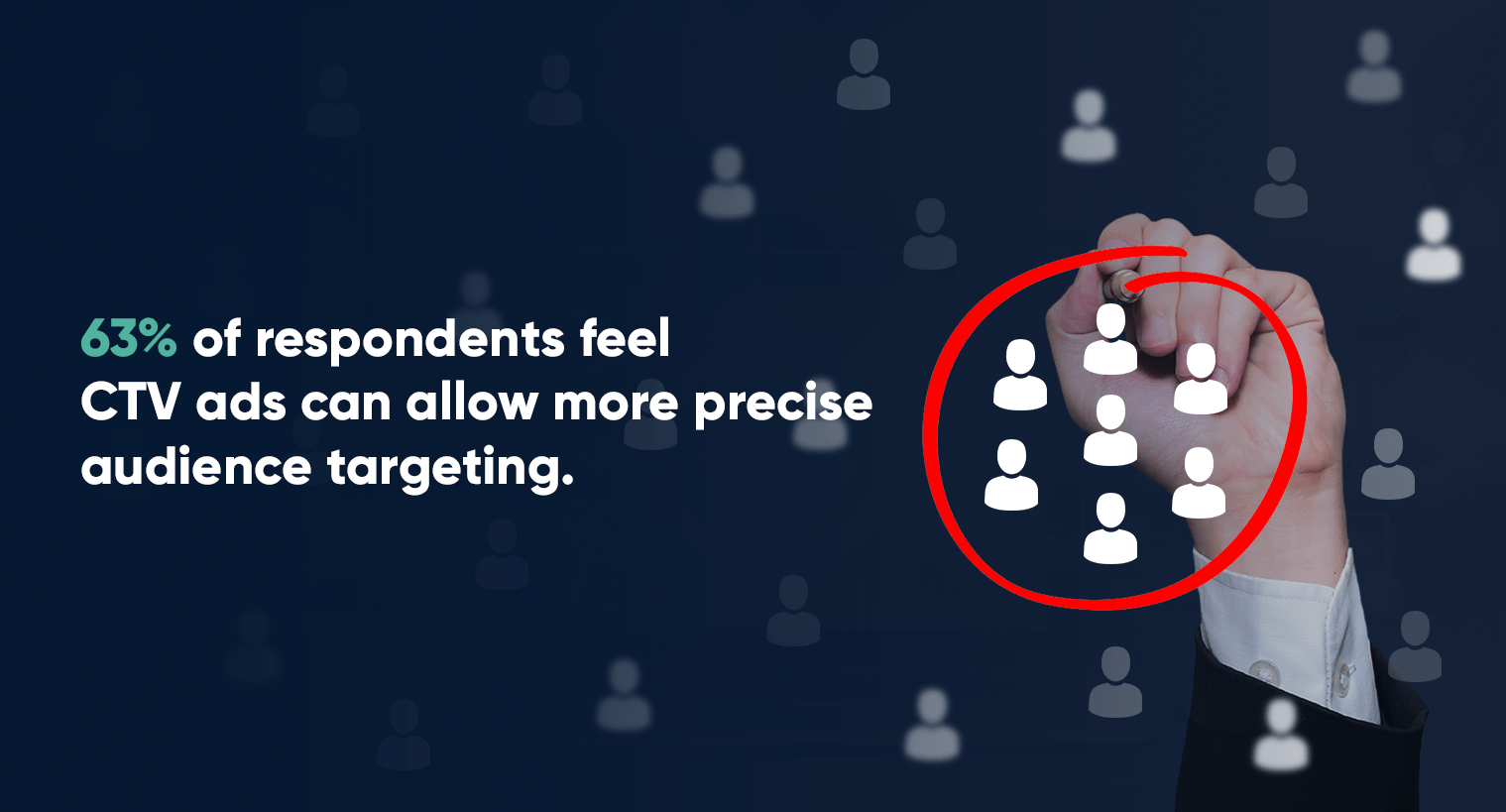
Brands can use connected TV advertising to select a target audience from an existing list. This helps you to meet your goal with far less money wasted and reach the target audience with engaging ads.
3. Consumers are More Receptive to CTV Ads

86% of customers are willing to view ads that are interesting or relevant to them, whereas just 40% are expected to reject CTV if there are too many ads. It’s no secret that customers are more tolerant of connected TV advertising since they are viewing content they like far less expensive than scrolling through stations on cable television.
4. Progress can be Tracked Easily

Since connected TV advertising works programmatically, it offers brands the opportunity to track their success through different methods including Video Completion Rate (VCR) and Automatic Content Recognition (ACR).
5. Improved Completion Rates

In North America, 95% of video ad impressions viewed on connected TV devices were completed in 2020, while the average completion rate was 80%. This is likely because brands include more non-skippable ads within the streaming content, which ensures that their message was seen by the audience.
Gear Up for CTV’s Biggest Evolution
In today’s digital age, brands and advertisers need to reach consumers where they are spending their time. Silverpush’s AI-powered connected TV (CTV) advertising provides brands a unique opportunity to connect with the global audience by delivering ads that are contextually relevant, engaging, and effective. To know more click here.
Shifting Industry Priorities in 2023
PUBLISH DATE: 09 January 2023
This past year has brought a roller coaster of ad spending. To prepare for 2023, industry professionals must be curating media strategies in anticipation of increasing macroeconomic headwinds. Innovation is definitely a big player in 2023, with advertisers eager to lead disruption in new forms of audience engagement, like 3D ads, while also expanding their efforts in established formats, like CTV.
As 2022 winds down and the industry reflects on last year, let’s take a look into the trends and technology that will shape the next year in the Adtech industry.
Where Industry Experts are Spending in 2023?
Some of the top media priorities where experts are planning to expand their horizon in 2023 are –
- Digital audio – 54% of media experts are anticipating an accelerated shift from terrestrial radio to digital music and podcasts.
- Digital video – At least half of the media experts have planned to prioritize this format for their next campaigns. This may be due to the case of increase in consumption of CTV and growing options for ad-supported video streaming services.
- Social media – Social media platforms will continue to be on the priority list for many media experts – allowing them to take advantage of high rates of consumer usage, ad engagement, and rapid increase of influencer marketing.
- Mobile – Another environment on the key priority list is Mobile. Considering a safe environment, mobile ad spend in the United States is expected to rise 14% year-over-year to surpass $194 billion in 2023.
What are the Major Challenges for Media Experts in 2023?
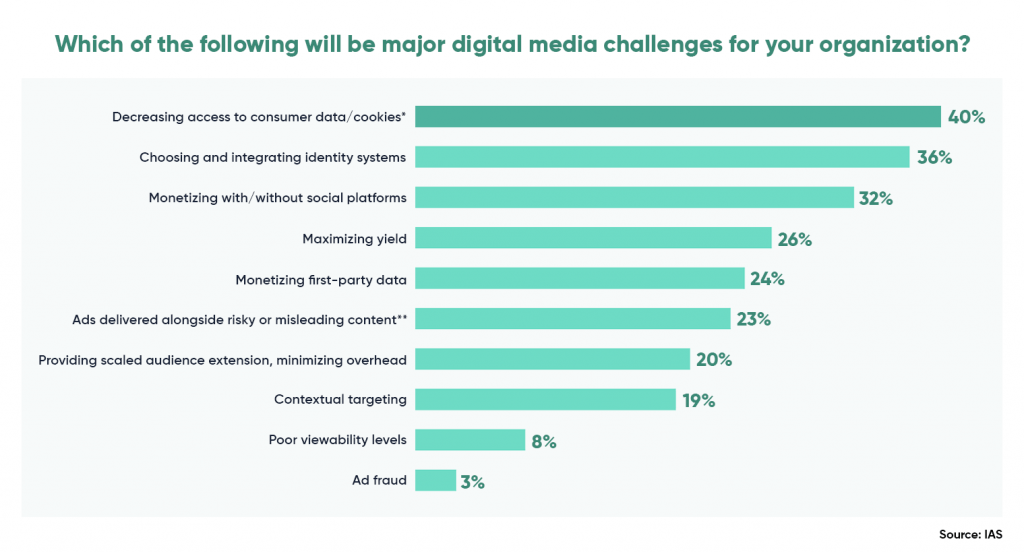
The deprecation of third-party cookies will happen by early 2024 and has become one of the top challenges for ad buyers and ad tech in 2023. Many consumers are opting out of in-app data tracking, and privacy legislation.
This further comes along with another top challenge which is ad placement. This may include deploying ads either adjacent to risky content or misinformation and fake news.
Thus, these concerns about decreasing data access and ad context highlight an urgent need for solutions that allow advertisers to target audiences based on the content they are consuming (i.e contextual targeting), maximizing audience reach in a brand-safe & suitable environment.
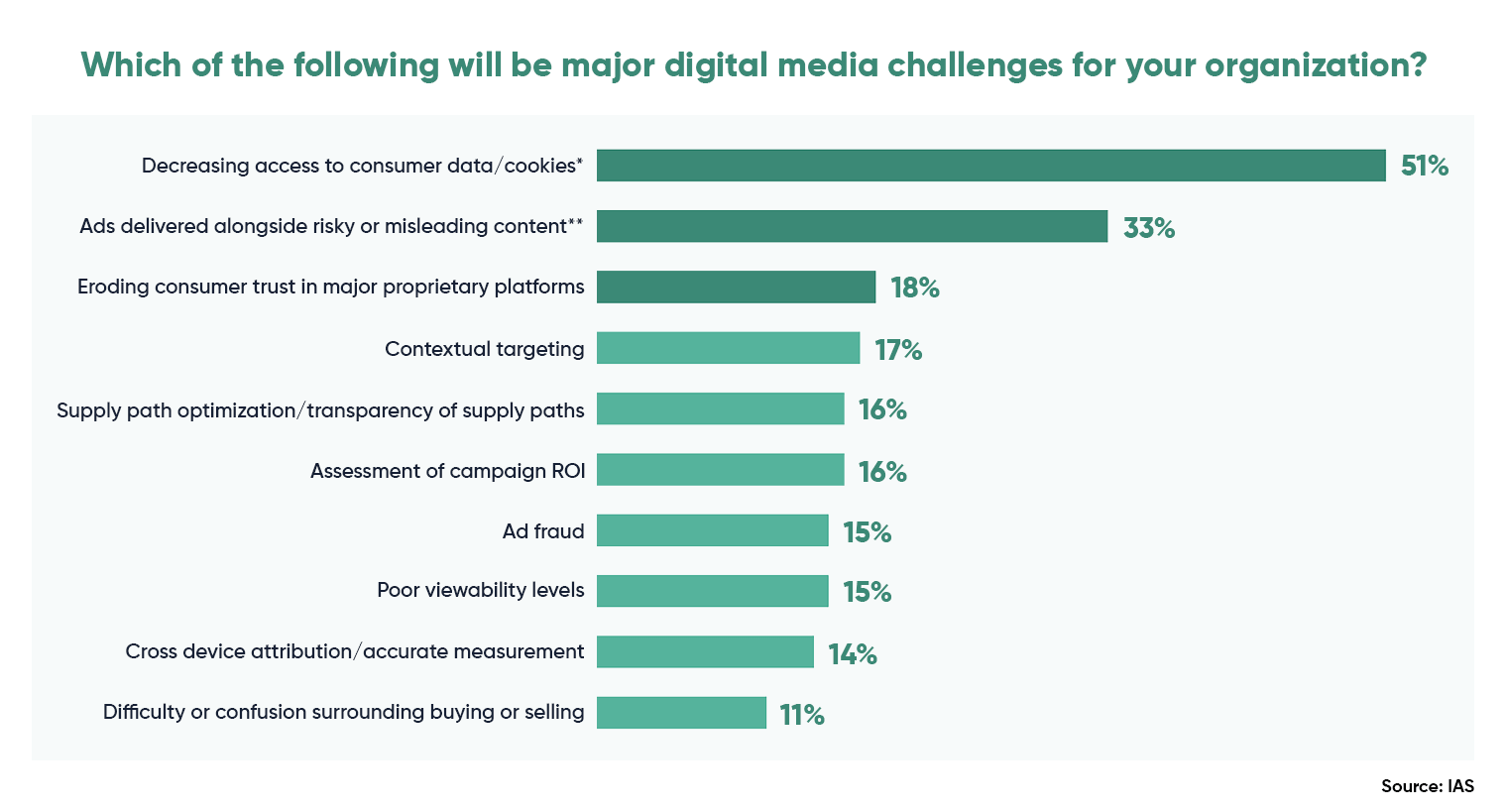
As far as publishers are concerned, the sell-side is also expected to face media challenges, with decreasing access to consumer data/ cookies, choosing monetization with/ without social media platforms, etc.
Some common challenges that publishers are also likely to face are definitely less access to consumer data, identity system integration, maximizing yield, and monetizing first-party data.
Ads displayed next to irrelevant or unsafe content are also another challenge for publishers.
Which Media Type is Likely to Face More Challenges?
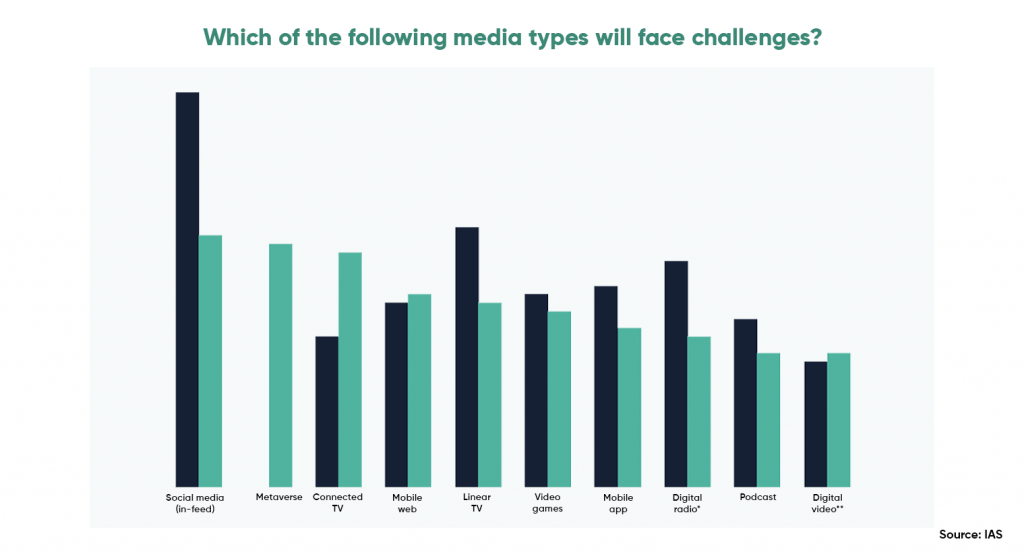
Experts have predicted that social media is most likely to face serious challenges in the coming year. Metaverse, as an emerging environment, shall also face challenges as media experts and even consumers have just begun to tap into it.
CTV, though has been on a successful rise, however, many media experts still shy away from spending their ad budget on CTV advertising. With growing demand, perceptions of challenges for this media type will see a rise too.
Digital Audio Builds Momentum in 2023

Digital audio—and digital audio advertising—is having a moment. More and more people are listening than ever before, and advertisers are rushing to join in on the fun. Media experts also agree that audio listeners will continue to migrate to digital formats. it is expected that digital audio ad spending is likely to grow 11% to surpass $7 billion next year.
With growing inventory and innovations in audio, industry experts also foresee risks a majority of experts are concerned about ad fraud, and more than half are about brand risk.
Due to these challenges in digital audio, experts see the value of third-party verification to ensure media quality.
The Future is CTV: Expanded Opportunities and Challenges

With most TV audiences streaming across several devices, it is crucial for brands and advertisers to invest in connected TV (CTV) & over-the-top (OTT) advertising as it will help them to reach viewers with premium inventory in a brand-safe environment.
One of the top concerns for CTV in the coming year is ad fraud, which is likely to be seen more of as ad inventory grows. Tracking CTV ad performance is also another issue. Since view-through rates (VTRs) are always high due to non-skippable inventory and click-through rates (CTRs) are irrelevant in this case as it’s not an option when streaming on TV or device, thus neither of these metrics are good performance indicators (KPIs) to measure the success of your ad.
To better track CTV ad performance – using pixels that are placed on the client’s website allows for internet protocol (IP) matching, and Cross-device targeting can be used.
Social Media to Remain Key Advertising Platform

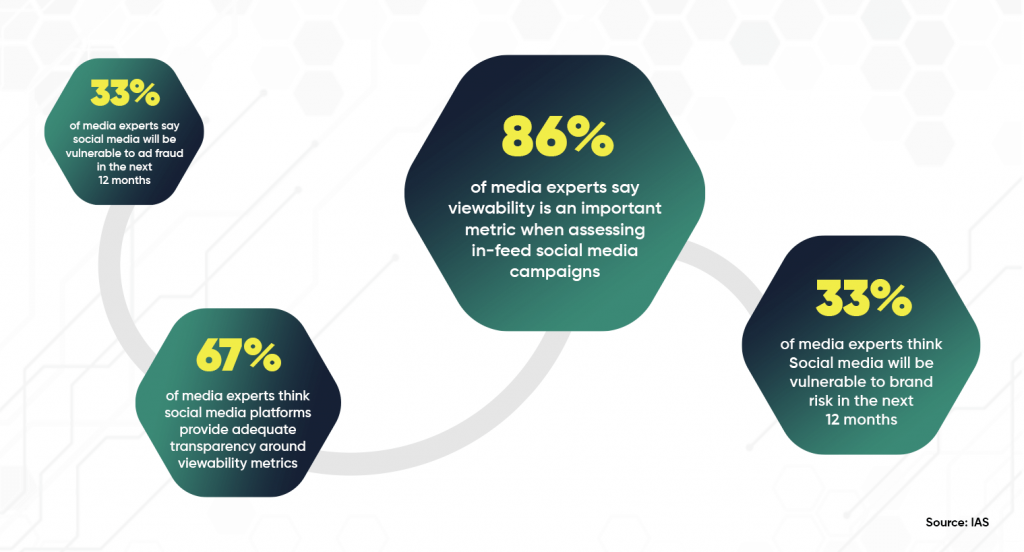
Some things don’t change and that’s what happens with social media platforms as it remains to be key advertising platform, as per many media experts. Despite well-documented challenges with privacy, ownership, and its effect on public disclosure, the platform is hard to ignore with its unimaginable reach and engagement, especially when it comes to targeting Gen Z.
Looking forward, social media ad spend is expected to show a sustainable 9% year-over-year growth for the U.S. in 2023.
Mobile Consumption gives Rife Opportunities
Between consumers spending more time on their mobile devices watching videos and expanding 5G technology, 2023 is a year of innovation in the mobile space. In order to maintain high-quality media inventory, third-party verification will be an important factor, especially to protect brands against growing ad fraud.
Prioritizing Contextual Targeting in 2023
Contextual targeting has been in the game for a long time, however, with the deprecation of third-party cookies, many advertisers have started to shift their focus from audience/ behavioral targeting to contextual targeting. It’s a win-win for advertisers as they can reach their desired audiences at scale, without worrying about the cookies.
